Van signage: what to decide before commissioning the design
The design is commissioned once. If it arrives before these decisions have been made, it has to be redone, and reworking artwork takes longer than thinking it through first.
Reviewed by Sergio6 min read
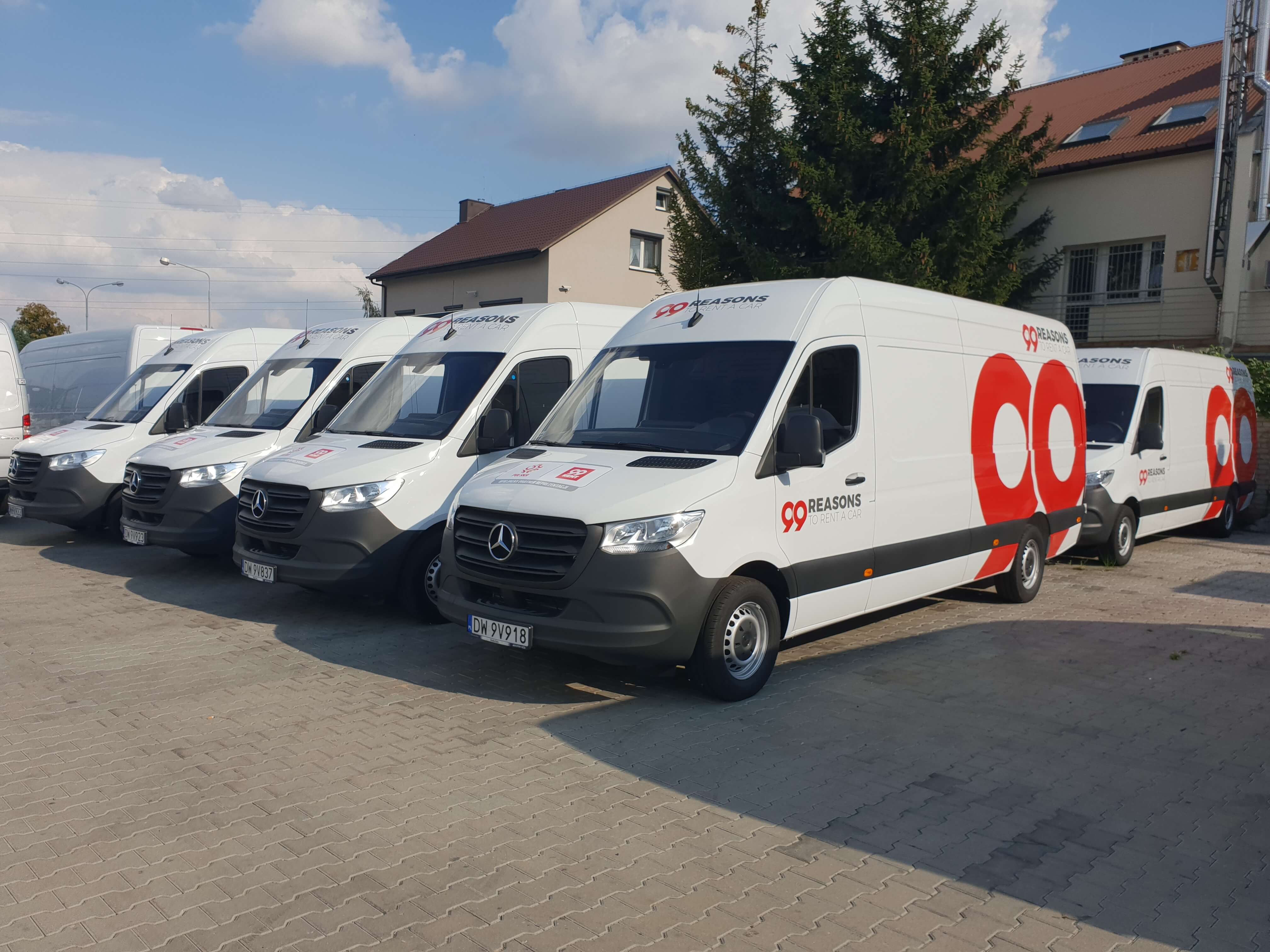
Decide where people will read it from
A van is not read like a brochure. The rear is seen by someone stopped behind it at a traffic light, a few metres away and with time; the sides are read on the move or at a glance while the vehicle is parked.
That difference changes the design. There is room for a phone number and website on the rear. On a side panel, read in passing from ten metres away, a few large elements work: the name and one word saying what you do. Everything else competes with them.
Decide which sides get signage
You do not have to cover everything. Well-placed signage on the rear and sides communicates more than a badly organised full background.
- Rear and tailgate: the surface that delivers the most real impressions for each euro spent.
- Right side: what the client sees when you park outside their door.
- Left side: what the rest of the traffic sees.
- Bonnet and roof: rarely worth it, except in specific cases such as overlooked car parks or service vehicles.
- Front doors only: the most contained option, for a logo and contact details.
Cut or printed vinyl: your design decides
- Cut vinyl
- Letters and logos cut from coloured vinyl and applied directly to the bodywork. Clean, economical and the best choice for a typographic design.
- Printed and laminated vinyl
- Needed for photographs, gradients, full backgrounds or logos with many colour variations. The laminate is what protects the ink from the sun.
- A combination of both
- A common solution: a printed background in the main area and cut contact details on the rest of the bodywork. It reduces the printed area without losing legibility.
The vehicle colour is part of the design
A white van is the cheapest base there is: the white acts as the background and only the elements on top need printing or cutting. On a dark van, however, a design made for white loses contrast and needs a printed background, changing both the area covered and the quote.
Settle this before commissioning the artwork, not afterwards. It is the most expensive correction when it comes late.
The decisions that move the quote
The factors are explained service by service on the prices page. With photos of the vehicle and your logo, we can settle a range the same day.
- Total area covered and whether it uses a full background or separate elements.
- Cut vinyl or laminated digital print.
- Bodywork ribs, rivets and trim, which require careful tension control.
- The number of parts that need removing for a proper finish.
- The laminate type, depending on whether the vehicle stays outside or under cover.
- The number of vehicles carrying the same design.
- Whether old signage has to be removed.
For several vehicles, decide once
For a fleet, what you decide is not one design but a rule: where the logo sits, at what height, which elements appear on each side and which do not. Once that rule is written down, the artwork is prepared once and adapted to each model.
Adaptation is necessary because usable space changes between bodies: the same van with a high roof or a different wheelbase does not offer the same side panel. It is also worth planning workshop visits in batches, so the business does not stop.
Before commissioning the artwork, settle this list
- A vector logo wherever possible, with the fonts converted to outlines.
- Corporate colours specified in Pantone or CMYK, not ‘the blue from the website’.
- Final wording: a phone number you will not change and a short web address.
- Any legal information you need to display.
- Make, model, year, roof height and wheelbase of each vehicle.
- If the vehicle is on renting, confirmation from the finance company.
- If it has old signage, tell us: removing it is separate work.
FAQ
How much text is too much?
If the rear has more than a list of services, a phone number, a website and several social accounts, it is already too much. At the real reading distance, people retain none of it, and it competes with the only things that matter: what you do and how to reach you.
Can I put signage only on the rear?
Yes, and for many businesses it offers the best return: it is the side people see while the vehicle is stopped in traffic and have time to read. The same artwork can be extended to the sides later.
What happens if I change my phone number or website?
That part of the signage is replaced, not all of it. This is why contact details should sit on separate pieces rather than be built into a printed background.
Can a renting van have signage?
Usually yes, because it is reversible, but it is worth confirming with the finance company. Before handback, we remove the vinyl and adhesive residue.
How long does signage last in the Valencia sun?
It depends on the vinyl, the laminate and where the vehicle stays. The right laminate is what stops the colours fading in one summer, which is why it is chosen for the real use rather than the budget.
Does signage damage the van's paint?
No. It is applied over the clear coat and protects it from the sun and light scuffs. When it comes off, the sign-written area is usually better preserved than the rest of the bodywork.