Wrapping a renting or leasing car: what to know first
Vinyl suits a car that is not yours precisely because it comes off. But there are three things worth settling before you choose the colour.
Reviewed by Sergio5 min read
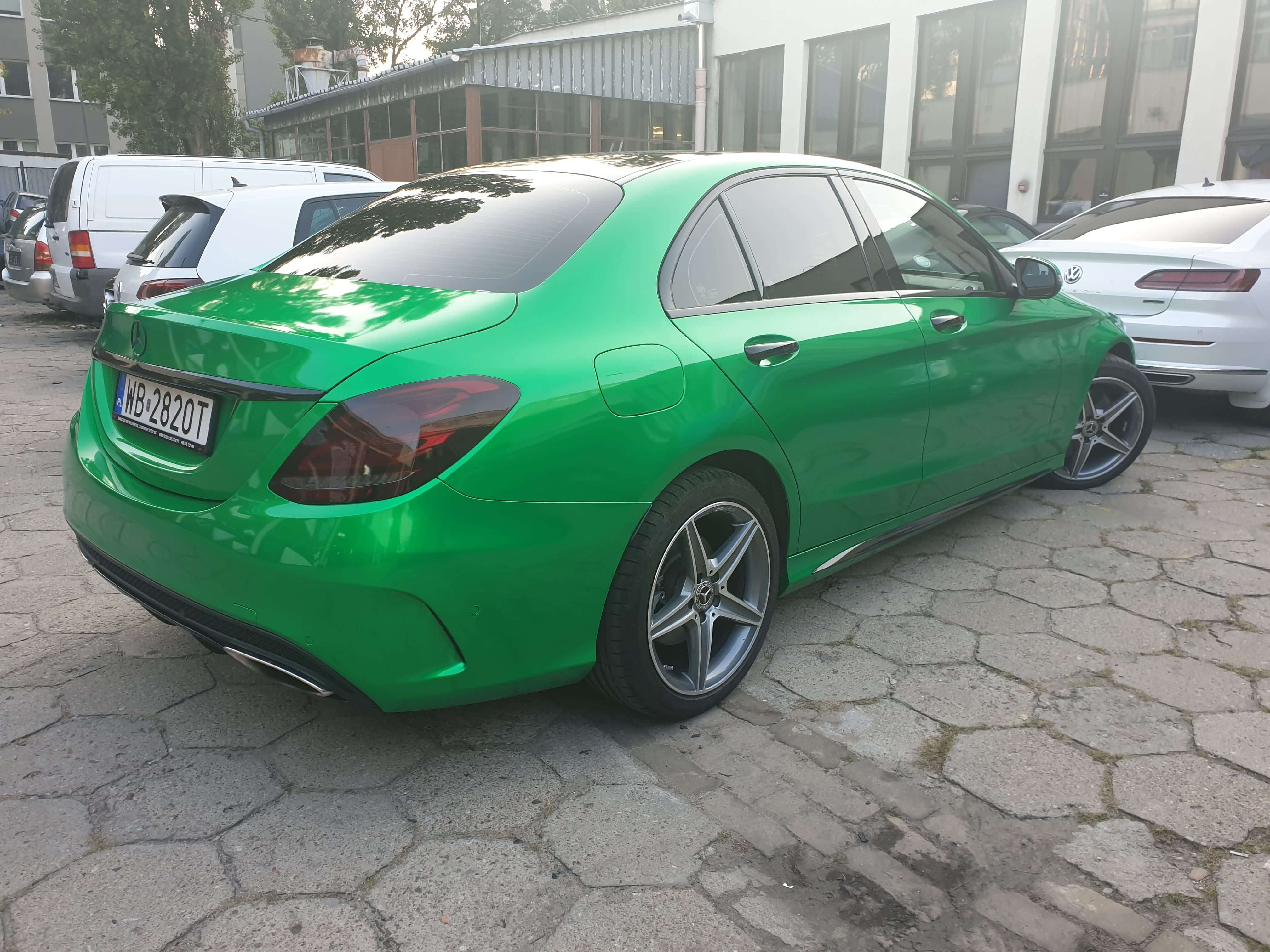
Why vinyl suits a car you will hand back
With renting or leasing, the car is not yours and has to go back in a specified condition. That is exactly where vinyl makes most sense: it is a layer fitted over the factory paint and removed later without touching the clear coat.
It also protects while it is on. The film absorbs light scuffs and slows UV exposure, so the wrapped area usually comes back better preserved than the rest of the bodywork.
The contract comes first, not the colour
Most contracts allow vinyl because it is reversible, but we cannot confirm that for you or for your finance company. Check the terms and, if they are not clear, ask whoever manages your contract for written confirmation.
It takes five minutes and avoids an argument when the car goes back. We cannot authorise it and we will not tell you there is no need to ask.
A complete colour change needs one more check
A partial wrap does not change the colour of the car in practical terms. A full wrap does, so it is worth checking the particular case and the vehicle documents before starting. With renting there is one more detail: you are not the registered keeper, so any procedure affecting the documents does not depend on you alone.
We guide you through your situation before accepting the job, and if anything needs confirming with the finance company, it is better done before the car enters the bay.
What to choose with the handback in mind
- Partial car wrap
- Roof, bonnet, mirrors or details. The simplest option to reverse and the one that raises the fewest questions when the car goes back.
- Full car wrap
- A complete colour change. It makes sense if the contract is long and you will enjoy it for several years, but removal should be part of the plan from the start.
- Vehicle signage
- Very common on renting vans. It comes off just like a wrap, and we leave the bodywork clean of adhesive residue for handback.
- Top-range film
- This is not the place to save. Cheap material dried out by the sun comes off in pieces and turns removal into a long job that you will have to pay for.
Removal is part of the plan
Removing vinyl is a separate service and is quoted as such. It is done slowly with heat, section by section, and any adhesive residue is cleaned with a dedicated product.
Two practical points: do not leave it until the week of handback, because something may appear that is worth putting right, and keep the original quote with the film reference. If you ever need to show what material is on the car, it is there.
What vinyl will not fix
If the car arrives with damage like this, we point it out during inspection and put it in writing before accepting the job. Wrapping over a problem to hide it only postpones it until the worst possible moment.
- An impact or dent: the film follows the shape and makes it more visible under raking light.
- A scratch that catches your fingernail, because it has gone through the clear coat.
- Wheels scuffed against kerbs, which are assessed separately at handback.
- Flaking paint or poorly bonded respray: those areas can lift when the film is removed.
FAQ
Can a renting car be wrapped?
Usually yes, because film does not damage the original paint and comes off without a trace over healthy clear coat. Even so, confirm it with the finance company before starting: the contract sets the terms, not the workshop.
What about adding my company branding?
It is very common on renting vans and works the same way: it is applied and later removed. Before handback, we take off the signage and any adhesive residue.
When should the vinyl be removed?
Leave a margin before handback, not the day before. That gives enough time to inspect the paint underneath and sort out any detail without rushing.
Can vinyl damage the paint when it is removed?
Not over healthy paint. The risk appears on resprayed areas, filler or flaking clear coat, and we identify and record those areas before fitting anything.
Is wrapping worth it on a short contract?
It depends on what you want. For a contract of a few months, a partial wrap gives a visible change at lower cost and is simpler to remove. You get more value from a full wrap on a long contract.